A smooth local move in Ottawa is less about packing everything in one frantic weekend and more about making a series of small, well-timed decisions. Start with a clear inventory, pack the rooms you use least first, protect items for the weather, and confirm building access before moving day. This guide turns those basics into a practical plan for apartments, condos, townhomes and houses across Ottawa.
Use the checklist as a starting point, then adapt it to your home, move date and building rules. If you would rather hand off the packing, compare your needs with professional packing services in Ottawa. For help coordinating a home move, see the company’s Ottawa residential moving service and confirm exactly what is included before booking.
Start with a simple Ottawa move plan
Before buying boxes, walk through every room with a notepad or phone. List large furniture, fragile or unusually shaped belongings, items that need special handling, and anything you will not move. This first inventory helps you estimate packing materials, identify donation or disposal trips, and describe your move accurately when requesting estimates. Photograph valuable items and note existing marks or damage before they are packed.
Choose a move date and work backwards. Reserve elevators and loading areas as soon as your building allows; ask whether a certificate of insurance, a refundable deposit, a loading-dock booking or a specific service entrance is required. For a house, check whether a large truck can park safely near the entrance. If you are moving in winter, plan for snow clearing and a safe route between the home and the truck.
Keep a single “move folder” with the estimate, inventory, building instructions, contact names, utility confirmations and receipts. Share essential access details with everyone who needs them, but avoid putting personal account numbers or sensitive records in a box handled by movers.
Choose the right supplies before packing
Collect sturdy cartons in several sizes rather than relying on a stack of oversized boxes. Small boxes are easier to carry when filled with books or tools; larger cartons work for light bedding and cushions. Use clean packing paper, quality tape, protective wrap and clear labels. Reusable bins can be convenient, but make sure lids close securely and the contents can be identified without opening every container.
Keep a dedicated kit for the first day: phone chargers, medications, essential toiletries, a change of clothes, basic cleaning items, water, snacks, pet supplies and the documents you need. Pack a separate “open first” box with a kettle or coffee supplies, mugs, a few plates, cutlery, toilet paper, hand soap, towels and simple bedding. Transport valuables, important papers and irreplaceable personal items yourself whenever practical.
Do not pack hazardous materials, perishable food or anything your mover excludes. Ask your mover for its current list rather than guessing: acceptance rules can depend on the item and the service arrangement. Empty, defrost and dry appliances according to the manufacturer’s instructions, and keep small appliance parts together in a labelled bag secured to the item.
Pack room by room, not by available space
Kitchen
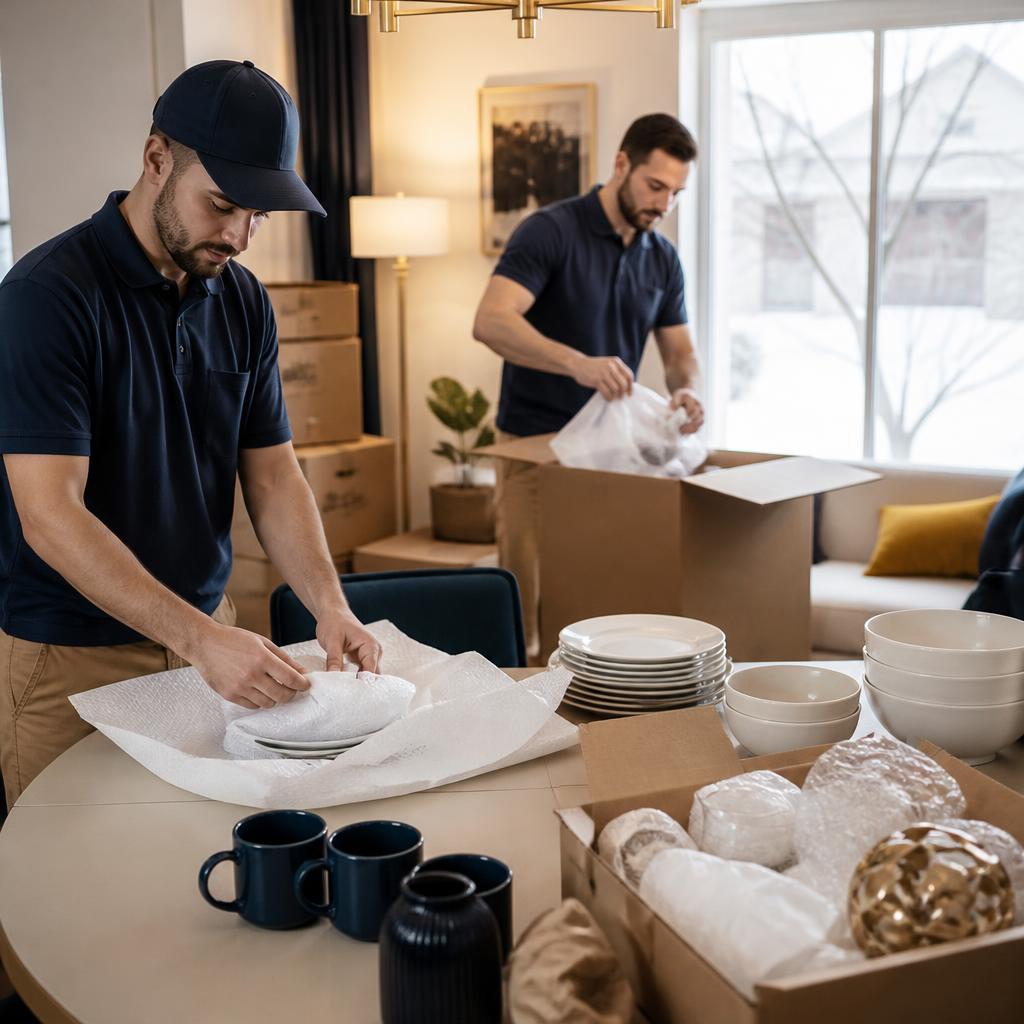
Start with rarely used serving pieces and pantry items you will not need before the move. Wrap each plate individually and stand plates on edge inside a snug carton; cushion the bottom and fill gaps so contents cannot shift. Wrap glasses separately and place heavier pieces below lighter ones. Label boxes “fragile” only when they genuinely contain breakables, and add an upright arrow where orientation matters. Keep a small daily-use set out until the last practical day.
Bedrooms and closets
Pack off-season clothing, spare linens and décor early. Use wardrobe cartons or clean garment bags for clothing you want to keep hanging. Place shoes in pairs and cushion delicate accessories. Keep a suitcase with the clothing and essentials you will need immediately, so you are not searching through multiple boxes after arrival.
Living room and home office
Photograph cable connections before unplugging electronics and bundle each device’s accessories together. Use original packaging if available; otherwise cushion screens and components carefully and label the carton with the room and “electronics.” Back up important files before disconnecting computers. Remove bulbs, shelves and loose parts from furniture when appropriate, and label the hardware bag with the item’s name.
Bathroom, laundry and storage
Seal toiletries in leak-resistant bags and keep daily medication with you. Drain hoses and follow appliance manuals for washers or other equipment. In storage rooms, separate items you will donate, recycle, dispose of or move. Check local municipal instructions for disposal of household hazardous waste; do not place paint, solvents, batteries or chemicals into a regular moving carton.
Protect fragile, bulky and high-value items
The goal is to stop movement inside the box, not simply to cover the object. Wrap fragile items individually, cushion the carton’s bottom and sides, and fill empty spaces with suitable packing material. Close and gently test the box; if you can hear or feel items shifting, reopen it and add support. Keep cartons manageable enough for a person to lift safely. A box that is too heavy can be dangerous even if it is well packed.
For framed art, mirrors and glass, use corner protection and a rigid outer layer; ask the moving company how these pieces should be prepared. Take apart furniture only when it is designed to come apart and you can keep its hardware organized. Pianos, large mirrors, antiques, fitness equipment and awkward stair carries can require dedicated equipment or extra crew. Mention them when requesting a quote rather than assuming they fit a standard household move.
Write the destination room on at least two sides of each box. Add a brief content label such as “kitchen—mixing bowls” or “office—printer supplies,” but avoid advertising valuable contents. Keep a numbered inventory for boxes that matter most and photograph their condition before loading.
Plan for Ottawa buildings, streets and weather
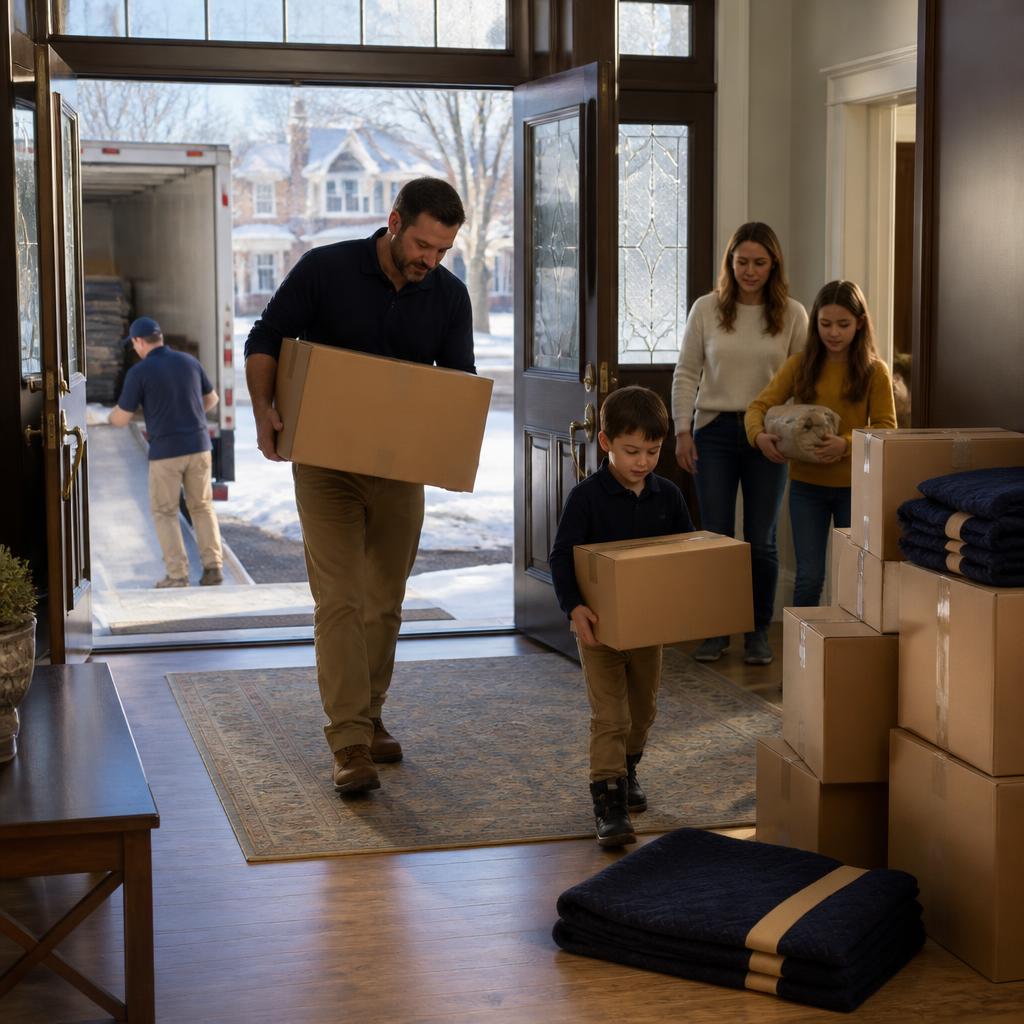
Local moves still involve logistics. In downtown apartments and condos, confirm the elevator window, loading entrance, move-in hours and the distance from the loading point to your unit. In older homes, measure narrow stairways and doorways for large furniture. In neighbourhoods with limited curb space, ask the property manager or municipality what parking arrangements are permitted; never assume a moving truck can occupy a reserved or restricted space.
Ottawa’s seasons affect how you prepare. In winter, clear snow and ice from walkways, use mats to reduce tracked-in slush, and keep cartons off wet pavement. Pack electronics and temperature-sensitive belongings so they are not left exposed longer than necessary. In summer, keep water accessible and avoid leaving candles, aerosols or heat-sensitive products in a hot vehicle. Check the forecast close to moving day and agree on a practical contingency with your mover.
For a condo, reserve the elevator and protect common areas as instructed. For a detached home, leave a clear path from each room to the entrance and keep children and pets away from active loading zones. Let neighbours know if a truck or elevator booking may briefly affect shared access.
Decide what to pack yourself and what to delegate
Do-it-yourself packing gives you control over timing and lets you sort belongings as you go. It can work well when you have enough lead time, a manageable inventory and suitable supplies. The trade-off is that you are responsible for sourcing materials, packing safely, labelling consistently and finishing before the move crew arrives. Underestimating the time required is one of the most common sources of last-minute stress.
Full-service packing can save time and may be useful for a large household, a compressed schedule or delicate belongings. Partial packing is another option: you pack ordinary items and ask the crew to handle a kitchen, artwork, fragile objects or selected rooms. Ask what materials are included, how items are inventoried, whether unpacking is available, and how valuation or protection applies to packed-by-owner versus professionally packed boxes.
Compare written estimates on the same scope. Confirm whether the quote includes packing labour, supplies, disassembly, stairs, long carries, travel time and any building-related waiting. Ask who will perform the work, what happens if the inventory changes and how to contact the coordinator on move day. A clear scope is more useful than a low headline figure with unclear exclusions.
Use a calm moving-day checklist
Before the crew arrives, keep the essentials bag and move folder separate from the items being loaded. Walk the crew through access details, fragile pieces and any “do not move” items. Point out boxes that need special orientation and confirm which room each major piece belongs in. Take a final look in closets, cupboards, storage areas, balconies and the laundry room once loading is complete.
At the new home, direct boxes using the room labels you prepared. Keep the main pathways clear and unpack beds, bathroom basics and kitchen essentials first. Check important items against your inventory and note concerns promptly using the process in your moving documents. Save the paperwork until the move is fully complete.
After arrival, update your address with the organizations that need it. Canada Post explains how its Mail Forwarding service works; forwarding is useful, but it does not replace notifying banks, government programs, employers and subscription providers directly.
Printable-style Ottawa packing checklist
- Confirm date, written estimate, access instructions and mover contact.
- Book the elevator or loading area and check building move rules.
- Sort belongings; donate, recycle or dispose of items you will not move.
- Gather cartons, tape, packing paper, labels and protective materials.
- Pack seldom-used rooms first; keep a numbered inventory for key boxes.
- Set aside medications, documents, valuables and first-night essentials.
- Prepare appliances and electronics according to their instructions.
- Check weather, clear pathways and protect floors from rain or snow.
- Complete a final walk-through and update your mailing address.
Frequently asked questions about packing and local moves in Ottawa
How far ahead should I start packing for a local Ottawa move?
Begin planning and decluttering several weeks ahead when possible. Pack seasonal and seldom-used items first, then move toward everyday belongings. Your home size, work schedule, access rules and amount of packing help determine the right pace.
What should I pack in an essentials box?
Include the items you will need before you can unpack: medications, chargers, toiletries, a change of clothes, basic dishes, towels, cleaning supplies, important documents and items for children or pets. Keep valuables and documents with you.
Can I leave clothes and items inside furniture drawers?
Ask your mover before moving day. Some furniture should be emptied for safe lifting, and loose contents can shift or damage the furniture. Follow the crew’s instructions for each item.
How should I prepare for a winter move in Ottawa?
Check the forecast, clear and salt walkways where appropriate, protect floors from slush, keep cartons dry and pack temperature-sensitive items carefully. Confirm a weather contingency and keep access routes safe for everyone.
Is professional packing worth it for a local move?
It depends on time, household size and the items involved. Full or partial packing can reduce the work you do yourself; compare written scopes, included supplies and protection terms before deciding.
Sources and further reading
- Canada Post: Mail Forwarding
- Canada Revenue Agency: Change your address
- Ontario government: Change your address and services
Government requirements and service details can change. Confirm current information with the relevant agency and your moving provider before acting.
Planning an Ottawa move?
Get a written plan matched to your inventory, addresses, access requirements and preferred timing.
Request a moving estimate